Why I’ve Learned to Love Crate Training
- Jill Clark

- Sep 19, 2025
- 2 min read
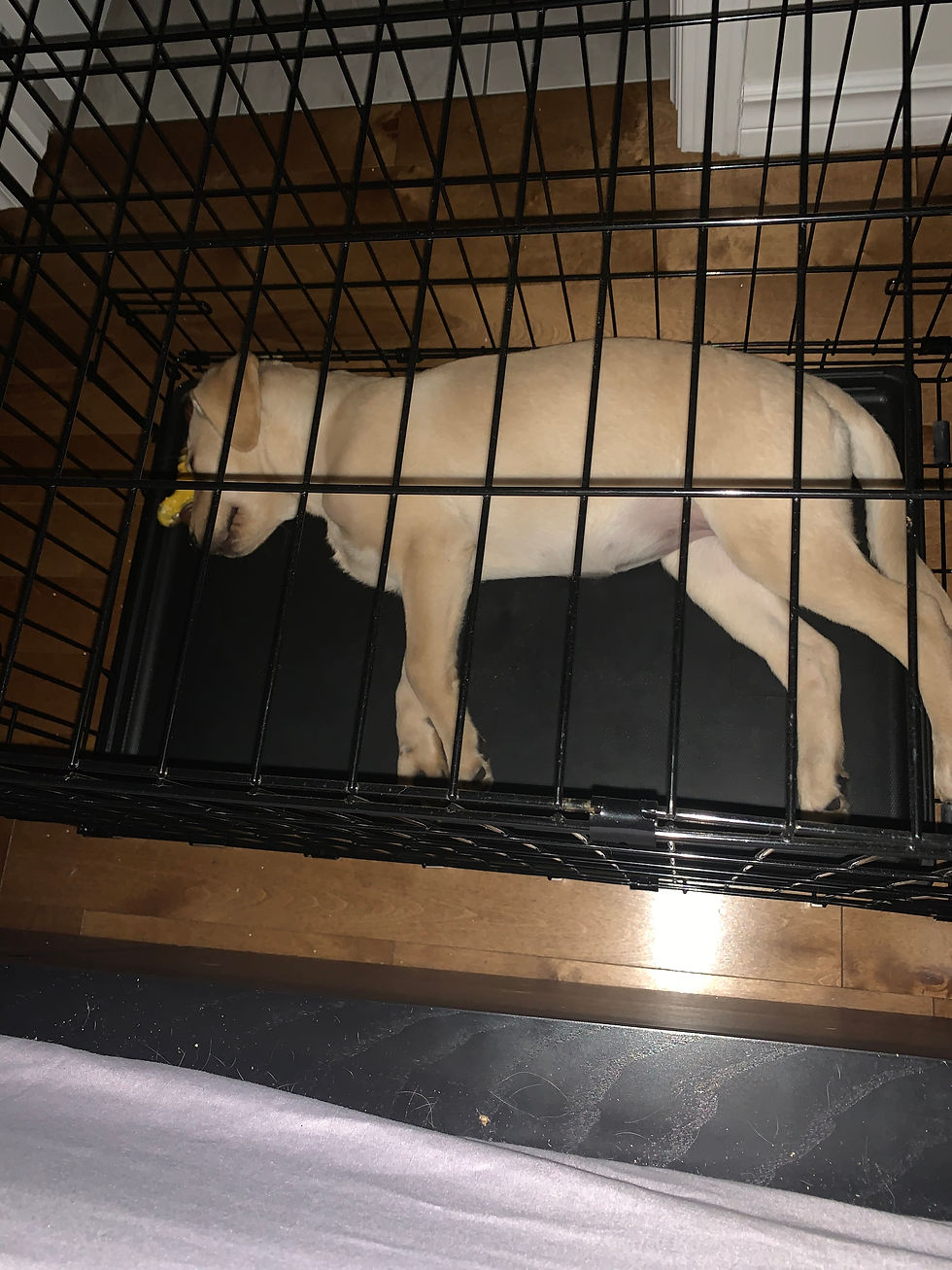
If you had asked me a few years ago how I felt about crate training, I probably would’ve sighed and told you it just wasn’t for me. Back when Skittles was a puppy, she struggled with separation anxiety, and I was completely inexperienced. Instead of sticking with crate training, I gave up. Luckily, it was 2020, and I was home all the time — so I didn’t need the crate the way many people do.
Fast forward to today, and things look very different.
Skittles: My First Crate Training Lesson
With Skittles, I had to get creative. She only learned to love her crate when I connected it to something she truly adored: agility. Once she realized the crate meant agility time was coming, she started to view it in a whole new light. Now, she doesn’t mind settling in because she knows it leads to her favorite activity. It taught me that for some dogs, the crate itself isn’t the reward — it’s about linking it to something positive.
Bentley: The Work in Progress
Bentley’s story is the opposite. He spent most of his life in a crate before coming to live with us, and because of that, he wants nothing to do with one now. I can’t just pop him in and expect him to be okay with it. With him, it’s a slow, gentle process of rebuilding trust. He’s my reminder that every dog brings their own history, and crate training isn’t one-size-fits-all.
Twix: Doing It Mostly Right
Then there’s Twix, my youngest. With him, I decided to do things differently from the start. I fed him in his crate, played Susan Garrett’s Crate Games with him, and made the crate part of our everyday routine. While I can’t say he loves his crate, he certainly respects it. He’ll trot right in when I say “crate,” and after a walk, he’ll even run inside the house and hop into his crate on his own while I take the other dogs out. That routine makes life so much smoother for everyone.

Why Sports Dogs Need Crates
One of the biggest reasons I’ve come around on crate training is sports. Whether it’s agility, dock diving, or another competition, sports dogs need to be comfortable in crates. Events are exciting, busy, and sometimes overwhelming, and the crate provides a safe space for them to rest and recharge. Without that skill, competing would be stressful for both of us.
Looking back, I can honestly say I love crate training now. Not because it was easy — it wasn’t! — but because I’ve seen firsthand how much calmer, safer, and more structured life can be when the crate is part of the routine. Each of my dogs has taught me something different about the process, and together, they’ve shown me that the crate isn’t a punishment. It’s a tool, a comfort, and sometimes even a ticket to the fun stuff.


Comments